What Does an Orthopedic Surgeon Treat? A Guide for Deland Residents
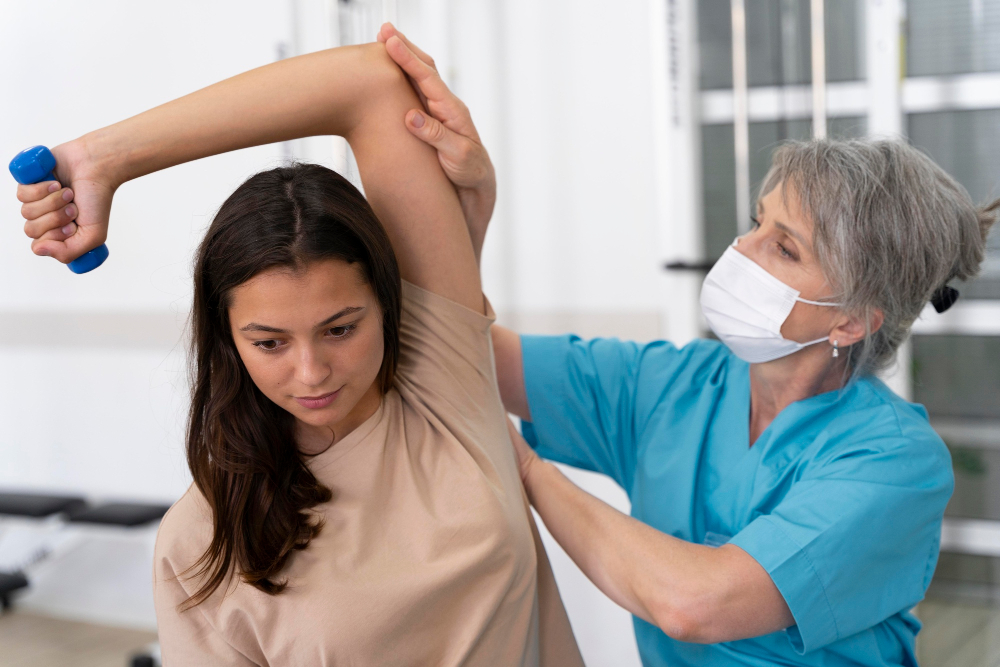
Living in Central Florida means leading an active lifestyle, but persistent joint pain can quickly stop you in your tracks. Whether it's a shoulder injury from a tennis match at Victoria Hills or arthritis flaring up during our humid summers, orthopedic surgeons are the experts who keep you moving. We diagnose and treat almost everything related to your bones, joints, ligaments, tendons, and muscles right here in Volusia County.
What Conditions Do Orthopedic Surgeons Fix?
Orthopedic surgeons treat injuries and diseases of the musculoskeletal system, which includes your bones, joints, ligaments, tendons, and nerves. In Florida, we frequently treat osteoarthritis aggravated by our tropical climate, along with sports injuries from year-round golfing and pickleball. While many people assume seeing a surgeon means having surgery, we actually treat about 70% of our patients using non-surgical methods first.
Arthritis and Joint Pain
Arthritis is the leading cause of disability in the United States, and we see it constantly in our practice. Osteoarthritis, the "wear and tear" type, destroys the cartilage that cushions your bones.
The high humidity in Deland and Orange City often causes changes in barometric pressure, which can make arthritic joints swell and throb. We help patients manage this pain so they can keep walking around Downtown Deland or tending to their gardens.
Sports Injuries
You don't have to be a pro athlete to get a sports injury. We treat weekend warriors and high school athletes alike. Common issues include:
- Rotator Cuff Tears: Often seen in tennis players and painters.
- Meniscus Tears: Frequent in golfers due to the twisting motion of the swing.
- ACL Injuries: Common in soccer and football players.
Trauma and Fractures
Accidents happen. Whether it's a slip and fall during a summer storm or a car accident on I-4, orthopedic surgeons are the ones who set the broken bones. We handle complex fractures to ensure they heal correctly, preventing long-term issues with alignment or chronic pain.
Do I Need Surgery for Joint Pain?
No, surgery is rarely the first option for joint pain unless there is a traumatic fracture or a complete tendon tear. Most patients respond well to conservative care like physical therapy, bracing, or anti-inflammatory medication. We typically try these non-invasive methods for at least 6 to 12 weeks before we even start discussing surgical intervention.
If you're looking for an orthopedic surgeon Deland Florida residents trust, you want someone who prioritizes saving your natural joint whenever possible.
Non-Surgical Treatments
We have a wide toolkit to help you feel better without going under the knife.
- Physical Therapy: Strengthening the muscles around a joint takes the pressure off the bone.
- Bracing: A knee or ankle brace can provide stability while an injury heals.
- Lifestyle Changes: Sometimes losing just 10 pounds can relieve up to 40 pounds of pressure from your knees.
Injection Therapy
If oral medications aren't cutting it, injections are often the next step. One effective method we use is Joint Injections. These can provide relief for 3 to 6 months, buying you time and reducing inflammation significantly. We offer cortisone shots to reduce swelling and hyaluronic acid injections (like gel shots) that lubricate the joint to reduce friction.
Is Regenerative Medicine Right for Me?
Regenerative medicine is a great option for patients with soft tissue injuries or early arthritis who want to avoid surgery. It uses your body's own biological material to promote healing in damaged tendons or cartilage. This therapy works best for conditions like rotator cuff tears, tennis elbow, or mild osteoarthritis where the goal is repair rather than replacement.
In our practice, we have seen promising results with Stem Cell Therapy. This involves obtaining stem cells from your own body and injecting them into the damaged area. It’s different from a cortisone shot, which just masks pain. Stem cell therapy aims to help the body actually heal the tissue. Because this is an advanced therapy, costs vary, so we recommend calling our office to get a specific price estimate for your condition.
When Is Orthopedic Surgery Necessary?
Surgery becomes necessary when pain limits your daily activities and non-surgical treatments stop working after several months. If you can't walk to your mailbox, sleep through the night due to hip pain, or lift your arm to comb your hair, it's likely time to consider a procedure. Modern techniques allow many patients to go home the same day or the next morning.
Common Surgical Procedures
- Joint Replacement: We replace damaged parts of a hip, knee, or shoulder with artificial parts. Total knee replacements have a high success rate, with implants often lasting 15 to 20 years.
- Arthroscopy: This is a minimally invasive procedure where we use a tiny camera and small instruments to repair tissues inside a joint. This is common for meniscus repairs in the knee.
- Fracture Repair: We use plates, screws, or rods to hold broken bones in place while they heal.
How Long Is Recovery After Orthopedic Surgery?
Recovery depends on the procedure, but minor arthroscopic surgeries often allow a return to normal activities within 4 to 6 weeks. Major joint replacements usually require 3 to 6 months for full recovery, though you'll be walking on the new joint almost immediately. Your commitment to physical therapy is the biggest factor in how fast you heal.
We find that patients who do their "pre-hab" (exercises before surgery) tend to recover about 20% faster than those who don't.
How Do I Choose the Right Specialist?
Choose a surgeon who is board-certified and has specific experience with your particular injury or condition. Look for a doctor who listens to your personal goals, whether that's returning to work in construction or simply being able to walk around Lake Beresford Park. Check their hospital affiliations and read reviews from other patients in your community.
Questions to Ask During Your Consultation
Don't be afraid to interview your doctor. Here are a few good questions:
- How many of these specific procedures do you perform each year? (You want a high number).
- What is your infection rate compared to the national average?
- What specific risks should I be aware of given my medical history?
- Will I need to go to a rehabilitation facility, or can I recover at home?
How Much Does Orthopedic Treatment Cost?
Costs vary wildly based on your insurance plan and the specific procedure, but a specialist copay often ranges from $30 to $80. If surgery is needed, a total knee replacement can cost between $15,000 and $35,000 before insurance adjustments. Always check with our billing department to understand your deductible and out-of-pocket maximums before scheduling.
The Bottom Line on Bone and Joint Health
You don't have to live with chronic pain just because you're getting older or suffered an injury. Whether you need a simple brace or a complex reconstruction, finding a qualified orthopedic surgeon Deland Florida residents recommend is the first step toward getting your life back.
We are here to help you navigate these decisions. If you're ready to discuss your options, contact Central Florida Bone & Joint Institute at (386) 775-2012. We’ll examine your injury and build a plan to get you back to the active Florida lifestyle you love.