What an Orthopedic Surgeon in DeBary Wants You to Know About Wrist Fracture Casting
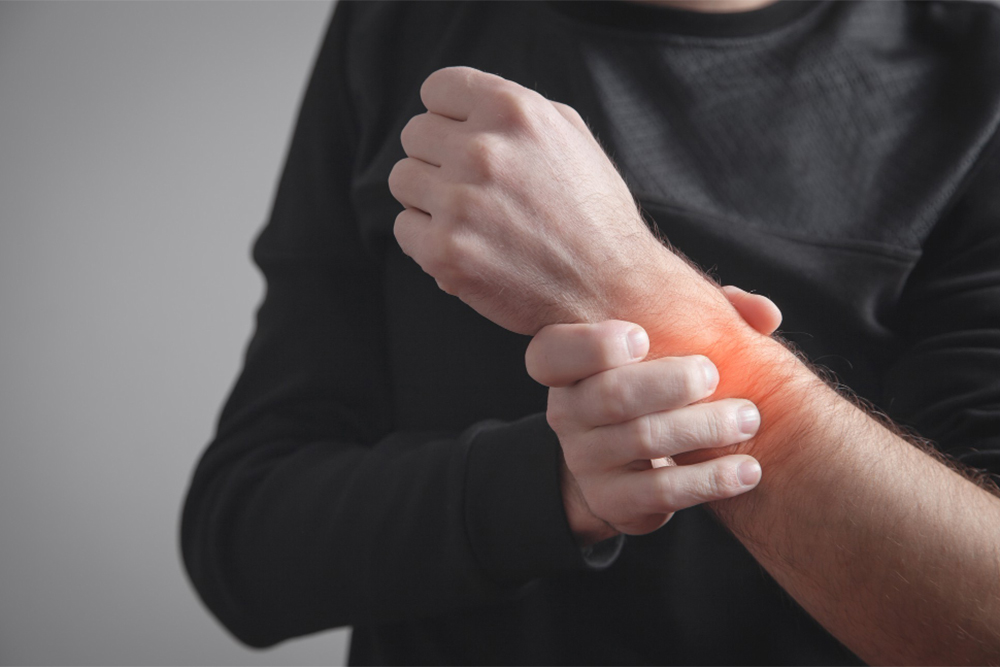
When you're looking for a skilled orthopedic surgeon in DeBary, Florida, it's usually because an unexpected injury has interrupted your daily routine. One moment you might be enjoying a round of golf at Glen Abbey or tending to your garden in Saxon Woods, and the next, a slip and fall results in a painful wrist fracture. While the immediate pain is overwhelming, the anxiety about what comes next—specifically the recovery timeline—can be just as stressful.
At Central Florida Bone & Joint Institute, we understand that Florida residents value resilience and reliability. You want to get back to maintaining your home, working, and enjoying our beautiful climate as safely and efficiently as possible. Understanding the recovery window is crucial to that process. While every injury is unique, there is a general roadmap for healing that can help you prepare your home and your schedule for the weeks ahead.
This guide explores exactly what happens during the critical 4-week casting window, what you can expect regarding costs and physical therapy, and how to ensure your recovery is as smooth as possible.
Understanding Wrist Fractures in Central Florida
A wrist fracture is a break in one or more of the bones in the wrist, most commonly the distal radius (the larger bone in the forearm). In DeBary, we see these injuries occur frequently due to the active lifestyles our residents lead. Whether it's tripping over a root while hiking near Gemini Springs or slipping on a wet pool deck during our rainy season, the impact from a fall on an outstretched hand is the leading cause of these fractures.
Symptoms to Watch For
If you have taken a spill, don't brush off the pain. Common symptoms include:
- Severe pain that worsens when gripping or squeezing.
- Swelling and tenderness around the wrist.
- Bruising that appears quickly.
- A visible deformity, such as a bent wrist looking like a dinner fork.
It's vital to seek medical attention immediately. Ignoring a fracture can lead to improper healing, which might require more invasive surgery later or result in permanent stiffness. Visiting an orthopedic surgeon in DeBary, Florida, ensures you get the correct diagnosis through X-ray imaging and a treatment plan tailored to your specific injury.
The Casting Process: What to Expect
For many patients, the word "fracture" immediately brings to mind surgery. However, surgery is not always necessary. In fact, approximately 90% of wrist fractures are casted successfully without the need for surgical intervention [1]. If the bone fragments are not significantly displaced, your surgeon can manipulate them back into place (a process called reduction) and immobilize the wrist with a cast.
Application and Materials
The casting process is relatively quick. Your provider will place a stockinette over your arm to protect the skin, followed by soft cotton padding. The hard outer shell is then applied.
- Plaster: This is the traditional white material. It's easier to mold, which is beneficial if the swelling is significant or the fracture needs a very specific mold to hold the reduction. It's heavier and takes longer to dry.
- Fiberglass: This is the modern standard for most uncomplicated fractures. It's lighter, stronger, and comes in various colors. It cures (hardens) in minutes.
The Duration
The average duration for a cast on a standard wrist fracture is roughly 4 weeks, though this can extend to 6 weeks depending on the severity of the break and your body's healing speed. This 4-week window is the "golden period" where the bone knits back together. Interrupting this stability can reset the clock on your recovery.
The 4-Week Recovery Window: A Week-by-Week Guide
Knowing what to expect each week can help you plan your life and reduce anxiety. Here is a breakdown of the typical healing journey.
Week 1: The Inflammatory Phase
The first week is often the most challenging due to discomfort and lifestyle adjustment. Your body sends blood and fluid to the injury site to begin repairs, which causes swelling.
- Focus: Pain management and elevation.
- Actionable Tips: Keep your hand elevated above the level of your heart ("toes above nose") as much as possible to let gravity drain the fluid. Use ice packs (sealed to keep the cast dry) near the elbow or fingers to help cool the blood flowing to the area.
- Daily Living: You will need help with tasks like cooking or driving. If you're a homeowner, now is the time to call in favors for lawn maintenance or heavy lifting.
Week 2: The Soft Callus Phase
By the second week, the acute pain usually subsides to a dull ache. Your body begins to form a soft callus of cartilage bridging the fracture gap.
- Focus: Mobility of uncasted joints.
- Actionable Tips: Start wiggling your fingers and thumb frequently to prevent stiffness. Move your shoulder and elbow through their full range of motion.
- Challenges: The "itch" often sets in during week 2. Never stick a coat hanger or pencil inside the cast. This can break the skin, leading to an infection you cannot see. Instead, try using a hair dryer on the cool setting to blow air into the cast.
Week 3: Hard Callus Formation
The soft cartilage begins to turn into hard bone. Stability is increasing, but the wrist is not yet ready to bear weight.
- Focus: Adherence to medical advice.
- Actionable Tips: You will likely have a follow-up appointment with your orthopedic surgeon in DeBary, Florida, around this time for X-rays. They will check to ensure the bones have not shifted. It's crucial to keep this appointment.
- Observations: Your cast might feel looser now that the initial swelling has completely gone down. Don't try to remove it yourself or stuff padding inside. If it's sliding off, call your doctor.
Week 4: Clinical Union
By the end of week 4, the fracture is often considered "clinically healed" for the purpose of cast removal, though the bone is not yet at 100% strength.
- Focus: Preparing for the next stage.
- Actionable Tips: Arrange your schedule for cast removal. Prepare mentally that your arm will look and feel different—muscles may have atrophied (shrunk), and the skin will be dry.
Life After the Cast
The day the cast comes off is a milestone, but it's not the end of the road. Your provider will use an oscillating saw to remove the fiberglass. It vibrates to cut the hard material but is designed not to cut skin.
Immediate Aftermath
Your wrist will likely feel stiff, weak, and perhaps a bit sore. The skin will be flaky and pale. Wash it gently with warm water and soap; don't scrub. Apply a fragrance-free moisturizer.
Physical Therapy: An Essential Investment
While some patients regain motion on their own, physical therapy is often essential to return to peak functionality—especially if you plan to return to golfing, tennis, or heavy DIY projects around your home.
- Cost Expectations: In the DeBary and Central Florida area, the average cost for physical therapy ranges between $75 and $150 per session without insurance, though insurance often covers a significant portion.
- The Routine: You will likely attend sessions 2-3 times a week for 4-6 weeks.
- Benefits: Therapists will guide you through exercises like wrist curls, grip strengthening with putty, and range-of-motion stretches. This reduces the risk of long-term stiffness.
Potential Complications and Red Flags
While the vast majority of patients heal without issue, complications can occur. Statistics show that roughly 5% of patients might experience issues such as continued instability, nerve compression, or complex regional pain syndrome [2].
Being proactive is key to home safety and health. Watch for these red flags during your 4-week window:
- Numbness or Tingling: If your fingers feel asleep and elevating them does not help, the cast may be too tight, compressing a nerve.
- Blue or Pale Fingers: This indicates poor circulation.
- Unrelenting Pain: Pain that is not relieved by medication or elevation could signal a pressure ulcer inside the cast.
- Foul Odor: A bad smell coming from the cast usually indicates an infection or skin breakdown.
If you notice any of these signs, contact your orthopedic surgeon in DeBary, Florida, immediately. Early intervention prevents minor issues from becoming major setbacks.
Choosing the Right Orthopedic Surgeon
Your choice of physician can dictate the quality of your recovery. When looking for a provider in Volusia County, don't just pick the first name on a list. You're trusting this person with your mobility.
Factors to Consider
- Specialization: Ensure they specialize in upper extremity or general trauma orthopedics.
- Local Experience: A local surgeon understands the lifestyle of DeBary residents and has relationships with local physical therapists and imaging centers, streamlining your care.
- Patient Reviews: Look for consistency in reviews regarding bedside manner and wait times.
Central Florida Bone & Joint Institute prides itself on being a pillar of the community. We combine state-of-the-art medical techniques with the compassionate, neighborly care that DeBary is known for. We treat you like family, not just a chart number.
Conclusion
Recovering from a wrist fracture is a journey that requires patience and adherence to a plan. The 4-week recovery window with a cast is a small investment of time to ensure your wrist heals correctly, allowing you to get back to the Florida lifestyle you love. From the initial injury at the park to the final physical therapy session, understanding the process helps you maintain control over your health.
Don't leave your recovery to chance. If you suspect a fracture or need a second opinion on your wrist injury, seek expert guidance.
Schedule a consultation with Central Florida Bone & Joint Institute today to ensure your recovery is in the hands of the most trusted orthopedic surgeon in DeBary, Florida.
References:
[1] American Academy of Orthopaedic Surgeons. (n.d.). Distal Radius Fractures (Broken Wrist).
[2] Journal of Orthopaedic Trauma. (2018). Complications of Distal Radius Fractures.