Pain in your joints or bones can stop your life in its tracks. Whether you twisted a knee playing pickleball at Dewey Boster Sports Complex or you're dealing with a nagging shoulder pain from years of yard work, the uncertainty of treatment is stressful. Most patients I see in Deltona are worried about one thing: "Do I need surgery?"
The good news is that for many musculoskeletal conditions, the answer is often "no," or at least, "not yet." Orthopedic treatment is a spectrum, not a single decision. It’s about finding the right tool for the job.
How Does an Orthopedic Surgeon Decide on Treatment?
An orthopedic surgeon decides between surgical and non-surgical treatment based on the severity of the injury, the patient's lifestyle, and how well the body responds to conservative care. We don't just look at an X-ray; we look at the whole person.
If a condition is stable and not threatening long-term function, we almost always start with non-surgical methods. Surgery is usually reserved for when conservative treatments fail to provide relief, or when the injury (like a compound fracture) requires immediate structural repair.
Understanding the Orthopedic Surgeon's Expertise
Many people think orthopedic surgeons just want to operate. In reality, a huge part of our job involves managing conditions without picking up a scalpel. An orthopedic surgeon Deltona Florida residents trust will have years of specialized training not just in surgery, but in the complex mechanics of the musculoskeletal system.
We are trained to identify the root cause of pain—whether it's a nerve issue, a tendon tear, or arthritis—and predict how it will heal over time. This diagnostic skill allows us to create a roadmap for recovery that prioritizes the least invasive option first.
What Are the Non-Surgical Treatment Options?
Non-surgical treatments, also known as conservative care, are the first line of defense for conditions like tendonitis, mild arthritis, and sprains. These methods aim to reduce inflammation and restore movement naturally.
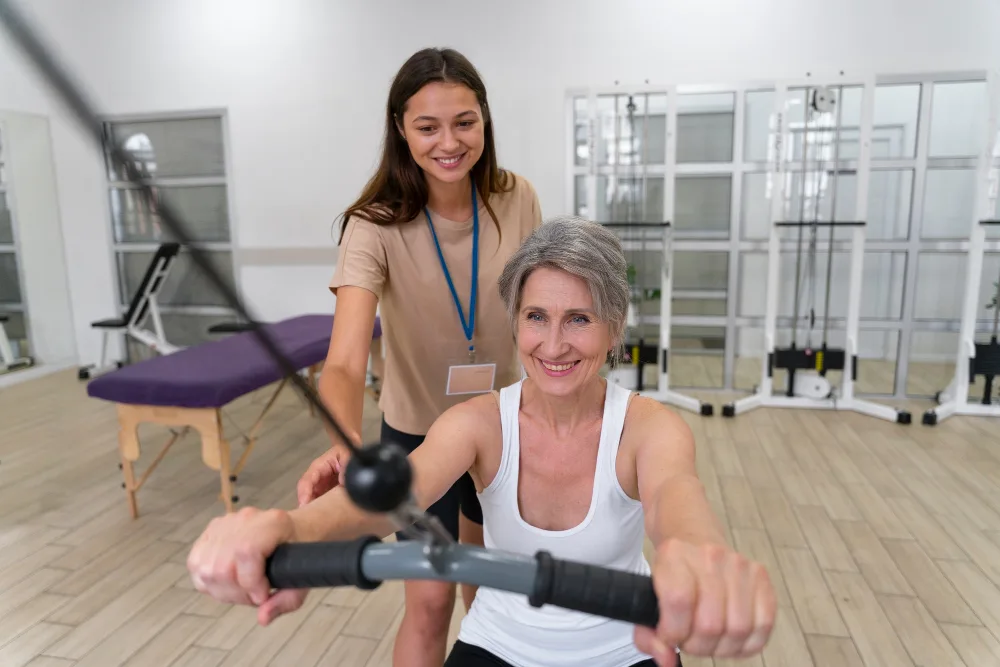
- Physical Therapy: This is often the most effective tool we have. Strengthening the muscles around a joint takes the pressure off the bone.
- Medication: Anti-inflammatories (NSAIDs) can manage pain levels enough to allow you to move and heal.
- Injections: Corticosteroid injections can powerfully reduce inflammation. We also use Ultrasound technology to guide these injections precisely where they need to go, ensuring better results and less discomfort.
- Bracing or Casting: Immobilizing a joint allows tissues to knit back together without constant strain.
For example, a patient with a rotator cuff impingement might see significant improvement after six weeks of targeted physical therapy and a single anti-inflammatory injection, avoiding the need for surgery entirely.
When Is Surgery Necessary?
Surgery becomes the best option when structural damage is too severe for the body to fix on its own, or when non-surgical methods haven't worked after a reasonable amount of time.
Common surgical interventions include:
- Arthroscopy: A minimally invasive technique where we use tiny cameras and instruments to repair tissues through small incisions. This is common for knee meniscus repairs.
- Joint Replacement: Used for severe arthritis where the cartilage is worn away.
- Fracture Repair: Using pins, plates, or screws to hold broken bones in the correct position for healing.
If you have a complete tear of a ligament or a bone that has shifted improper, waiting for it to heal naturally might result in permanent dysfunction. In these cases, surgery is the safer, more reliable path to recovery.
Factors Influencing the Decision
Making the call isn't just about the injury; it's about you. Here are the main factors we consider:
- Severity of the Condition: A hairline fracture might heal in a boot, but a shattered ankle needs hardware. We look at whether the condition is progressive—meaning, will it get worse if we don't fix it now?
- Your Overall Health: Age and pre-existing conditions play a huge role. We assess if your heart and lungs can handle anesthesia and if your body has the nutritional reserves to heal a surgical wound.
- Lifestyle Goals: An elite athlete trying to get back to competition might choose a surgical repair for a torn ACL to ensure stability. A retiree who enjoys light walking might opt for physical therapy and bracing for the same injury.
- Patient Preference: This is a partnership. We explain the risks and benefits, but ultimately, we respect your autonomy.
The Diagnostic Process: Getting the Full Picture
Before any decision is made, we need accurate data. The diagnostic process usually starts with a physical exam where we test your range of motion and strength.
From there, we look inside. Diagnostic Imaging is crucial. Digital X-rays, which we have right here in our office, show us the bones and joint spacing. If we need to see soft tissues like muscles or ligaments, we might order an MRI. In some cases, nerve conduction studies help us tell if pain is coming from the spine or a peripheral nerve.
Preparing for Your Treatment Plan
Whether you're heading to the operating room or the physical therapy gym, preparation is key.
For non-surgical patients:
Preparation means setting up your home environment for success. It might involve lifestyle changes, like weight management to reduce stress on your knees, or modifying your exercise routine. In our hot Florida climate, staying hydrated is also vital for tissue health.
For surgical patients:
Preparation is more involved. We conduct pre-operative evaluations to ensure you're safe for anesthesia. You'll need to arrange for a ride home and perhaps someone to help you for a few days. We also discuss post-operative care, so you know exactly how to change dressings and manage pain before you even wake up from the procedure.
Recovery and Rehabilitation
Recovery looks different for everyone, but the goal is the same: getting you back to the activities you love, whether that's fishing on Lake Monroe or walking around Green Springs Park.
- Non-Surgical Recovery: This requires discipline. You have to do your home exercises and stick to the restrictions. It’s a marathon, not a sprint.
- Surgical Recovery: This usually involves a period of rest followed by structured physical therapy. We have excellent rehab centers throughout Volusia County that we work with closely.
Success Rates and Realistic Outcomes
Both paths have high success rates when matched with the right patient.
Non-surgical treatments for issues like plantar fasciitis or tennis elbow resolve the problem in about 80% to 90% of cases without surgery.
Surgical outcomes, like total knee replacements, are also very positive. Most patients report a significant reduction in pain and improved mobility. However, success depends heavily on patient compliance. If you skip rehab, the best surgery in the world won't give you a perfect result.
Cost and Accessibility
We know cost is a major worry. Generally, non-surgical treatment is less expensive upfront. A course of physical therapy might cost $100-$150 per session (depending on insurance), whereas surgery involves facility fees, anesthesia costs, and surgeon fees.
However, we accept most major insurance plans to make care accessible. We also help navigate the logistics, ensuring you understand your out-of-pocket responsibilities before treatment begins. Accessibility isn't just about money; it's about being able to see an orthopedic surgeon Deltona Florida residents can get to easily without driving into downtown Orlando traffic.
Making the Right Choice for You
Deciding between surgery and conservative care is a big step, but you don't have to take it alone. We use every tool at our disposal—from advanced imaging to our years of experience—to guide you toward the safest, most effective relief.
Every patient is different. Your knee pain isn't exactly like your neighbor's knee pain, and your treatment shouldn't be either.
Need personalized advice?
If you're dealing with joint pain and aren't sure where to turn, let's take a look. Contact Central Florida Bone & Joint Institute at (386) 775-2012 to schedule a consultation. We’re here to help you get back to moving comfortably.