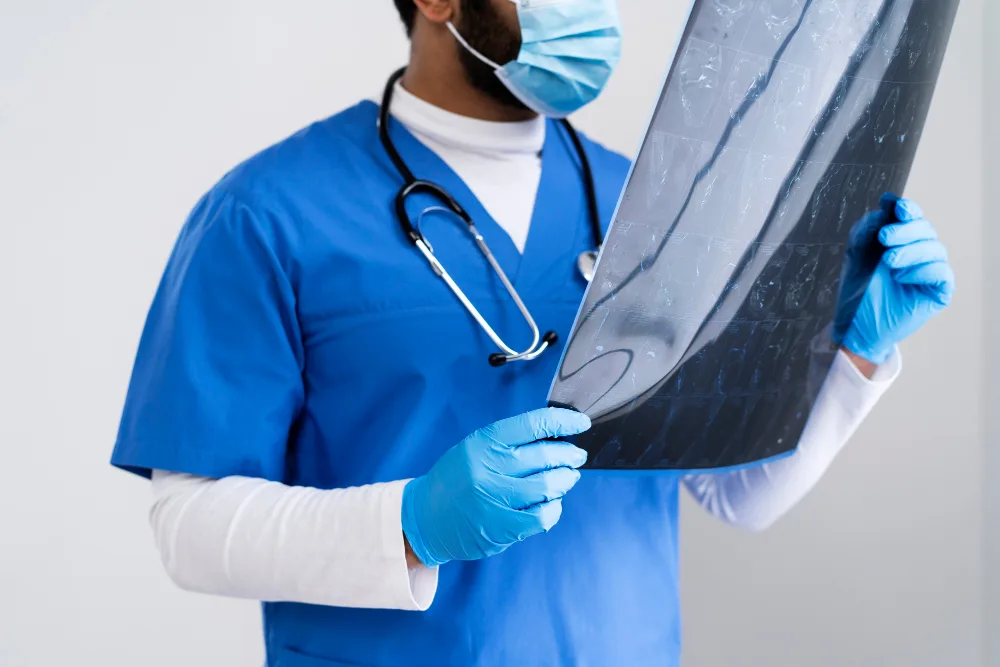
Living in Central Florida means leading an active life, whether you're golfing at Timacuan or taking the grandkids to the theme parks. But when joint pain strikes, the fear of a long, painful recovery often keeps people from seeking the help they need. You might worry that surgery means months of downtime and a massive scar.
Fortunately, medical technology has changed. Minimally invasive procedures have replaced many traditional open surgeries. These techniques allow you to heal faster and get back to your daily routine with less pain. If you're looking for an orthopedic surgeon Lake Mary Florida residents trust, it's helpful to understand exactly how these modern options work.
What Is Minimally Invasive Orthopedic Surgery?
Minimally invasive orthopedic surgery uses small incisions and specialized cameras to repair joints with less tissue damage than traditional methods. Unlike open surgery, which might require a 6-inch incision, these procedures often use cuts smaller than a fingernail. This approach leads to less blood loss, reduced scarring, and a much faster return to normal activities.
How It Differs from Traditional Open Surgery
The main difference lies in how we access the injury. Traditional surgery often cuts through muscle to reach the bone or joint, which increases pain and recovery time. Minimally invasive techniques work between the muscle fibers. We use a tiny camera called an arthroscope to see inside the joint. This preservation of soft tissue means patients typically use less pain medication and return to work weeks earlier than they would with open surgery.
Who Is a Good Candidate?
Most patients with joint damage, sports injuries, or degenerative conditions qualify for these procedures. If you have chronic pain that hasn't responded to rest or medication, you might be a candidate. Before we even talk about surgery, however, we often explore non-surgical options. For instance, Joint Injections can frequently provide significant relief and delay or prevent the need for surgery altogether.
Which Procedures Are Performed Arthroscopically?
Arthroscopy is the most common form of minimally invasive orthopedic surgery. It involves inserting a camera and tiny instruments through buttonhole-sized incisions.
Knee Arthroscopy
We frequently use knee arthroscopy to repair torn meniscus cartilage or reconstruct a damaged ACL. This is common for athletes or weekend warriors who twist their knee. Instead of opening the whole knee, we can smooth out rough cartilage or stitch a tear with precision tools. Recovery from a meniscus repair often lets patients walk without crutches in just a few days.
Shoulder Arthroscopy
Shoulder pain from rotator cuff tears or labral injuries can limit your ability to lift your arm or even sleep comfortably. Through arthroscopy, we can reattach torn tendons to the bone. We also treat shoulder impingement by removing inflamed tissue and bone spurs that rub against the rotator cuff.
Ankle and Hip Arthroscopy
While less common than knee or shoulder procedures, we also perform arthroscopy on hips and ankles. This is effective for removing loose fragments of bone or cartilage that cause locking and catching. It's also used to repair labral tears in the hip, a condition we see often in dancers and golfers.
Is Minimally Invasive Joint Replacement Possible?
Yes, modern techniques allow us to replace hips and knees with far less trauma to the body.
Partial Knee Replacement
If arthritis affects only one part of your knee, we don't need to replace the whole thing. A partial knee replacement keeps your healthy bone and ligaments intact. The incision is significantly smaller—usually 3 to 4 inches compared to 8 inches for a total replacement. Most patients spend only one night in the hospital, and some go home the same day.
Minimally Invasive Hip Replacement
We often use a muscle-sparing approach for hip replacements. By accessing the hip from the front (anterior approach), we simply push the muscles aside rather than cutting them. This difference is huge for recovery. Patients usually walk the day of surgery and don't have to follow the strict movement restrictions required by traditional hip surgery.
What Are the Injection-Based Treatments?
Surgery isn't always the first answer. We offer several injection therapies that can stimulate healing or reduce inflammation.
Corticosteroid Injections
These are powerful anti-inflammatory shots. They work quickly to reduce swelling and pain in joints like the knee or shoulder. While they don't fix a tear, they can provide relief that lasts for months, allowing you to participate in physical therapy.
Regenerative Medicine
For patients looking for natural healing, we offer Stem Cell Therapy. This involves using cells from your own body to repair damaged tissue. It's a popular option for residents in active communities like Heathrow who want to avoid the downtime of surgery.
Hyaluronic Acid Injections
These injections act like a lubricant for your joints. If you have osteoarthritis, your natural joint fluid may have thinned out. Hyaluronic acid supplements this fluid, helping the bones glide smoothly. This is often a great middle ground for patients who aren't quite ready for a knee replacement.
Can Spine Procedures Be Minimally Invasive?
Yes, we treat many spinal conditions using tube-like retractors that gently move muscle aside.
Microdiscectomy
If you have a herniated disc pressing on a nerve, it can cause severe leg pain (sciatica). A microdiscectomy removes the part of the disc pushing on the nerve. Because we don't strip the muscles off the spine, recovery is much faster than older back surgery methods.
Kyphoplasty
This is a procedure for compression fractures in the vertebrae, which are common in older adults with osteoporosis. We insert a balloon into the fractured bone to restore its height and then fill it with cement. Pain relief is almost immediate.
What Are the Benefits of These Procedures?
Patients who choose minimally invasive options typically see a faster return to their daily lives.
- Smaller Incisions: Scars are often barely noticeable once healed.
- Less Blood Loss: This reduces the stress on your body and eliminates the need for transfusions in most cases.
- Reduced Infection Risk: Smaller wounds mean less exposure to bacteria. Infection rates for minimally invasive procedures are generally under 1%.
- Faster Return to Activity: Whether it's returning to a desk job or walking around Crane's Roost Park, you'll get there sooner.
How to Prepare for Your Procedure
Preparation starts weeks before the actual surgery date. You'll undergo a preoperative evaluation to check your heart and lung health. We'll also review your medications. You might need to stop taking blood thinners or anti-inflammatories a week before surgery.
We also recommend preparing your home. Set up a "recovery zone" on the first floor if you're having leg surgery. Stock up on easy-to-prepare meals and clear walkways of rugs that could cause trips.
Recovery and Rehabilitation Expectations
Recovery times vary, but they are consistently shorter than traditional surgery.
Immediately after surgery, you'll be monitored until the anesthesia wears off. For outpatient procedures, you'll have a friend or family member drive you home the same day. Physical therapy usually starts within the first week.
For a simple knee arthroscopy, you might return to office work in 3 to 5 days. For a minimally invasive hip replacement, most patients are driving again within 2 to 4 weeks. Compare this to traditional hip surgery, which often sidelined patients for 3 months.
When to See an Orthopedic Surgeon
You should schedule a consultation if joint pain disrupts your sleep or limits your ability to move. If you have tried ice, rest, and over-the-counter medication for two weeks without relief, it's time to see a specialist.
When you look for an orthopedic surgeon Lake Mary Florida offers several options, but you want a team that prioritizes the least invasive method first. Persistent swelling, instability, or the inability to bear weight are clear signs you need an evaluation.
Taking the Next Step Toward Pain-Free Living
You don't have to live with joint pain. Modern technology allows us to fix the problem with minimal disruption to your life. From smaller incisions to faster recovery times, minimally invasive procedures offer a clear advantage for patients who want to get back to the activities they love.
If you're ready to explore your options with a skilled orthopedic surgeon Lake Mary Florida locals trust, we are here to help. Early treatment often leads to the best outcomes.
Contact Us For Premiere Orthopedic Treatments
Call Central Florida Bone & Joint Institute today at (386) 775-2012 to schedule your consultation. We have convenient locations in Orange City and Lake Mary to serve you.