Arthroscopic Knee Surgery: What to Expect
Knee pain can be debilitating, affecting everything from your daily walk to your ability to play sports. While many knee problems can be treated with physical therapy or medication, some conditions require surgery. One common and effective surgical option is arthroscopic knee surgery. This minimally invasive procedure allows surgeons to diagnose and treat knee issues without making large incisions.
If you're dealing with persistent knee pain, understanding your treatment options is the first step toward recovery. This guide will walk you through what arthroscopic knee surgery is, its benefits, what the recovery process looks like, and how to know if it's the right choice for you. For those considering this procedure, knowing what lies ahead can make the journey feel much more manageable.
What is Arthroscopic Knee Surgery?
Arthroscopic knee surgery is a minimally invasive surgical technique used to visualize, diagnose, and treat problems inside the knee joint. Instead of a large open incision, the surgeon makes a few small cuts, typically less than a centimeter long, around the knee.
Through one of these incisions, the surgeon inserts an arthroscope—a thin tube equipped with a camera and a light. This camera projects a high-definition image of the inside of your knee onto a monitor in the operating room. This detailed view allows the surgeon to inspect the cartilage, ligaments, and other structures within the joint.
Once the problem is identified, the surgeon can insert specialized, pencil-thin surgical instruments through the other small incisions to perform the necessary repairs. This could involve removing torn cartilage, repairing a ligament, or addressing other joint damage.
Common Conditions Treated with Arthroscopy
An orthopedic surgeon may recommend arthroscopic surgery for a variety of knee conditions that don't respond to non-surgical treatments. Some of the most common issues addressed with this procedure include:
- Torn Meniscus: The meniscus is a C-shaped piece of cartilage that acts as a cushion between your shinbone and thighbone. Tears are common, especially in sports, and can often be repaired or trimmed arthroscopically.
- Anterior Cruciate Ligament (ACL) Tears: The ACL is a key ligament that helps stabilize your knee. Arthroscopy is the standard method for reconstructing a torn ACL, often using a graft from another part of your body.
- Posterior Cruciate Ligament (PCL) Tears: While less common than ACL tears, PCL injuries can also be repaired using arthroscopic techniques.
- Removal of Loose Bodies: Small fragments of bone or cartilage can break off and float within the knee joint, causing pain and locking. These can be easily removed arthroscopically.
- Patellar (Kneecap) Issues: The procedure can be used to treat kneecap dislocations or to realign the patella.
- Synovitis: This involves inflammation of the synovium, the soft tissue lining of the knee joint. An inflamed synovium can be removed to reduce pain and swelling.
The Benefits of a Minimally Invasive Approach
The main advantage of arthroscopic knee surgery lies in its minimally invasive nature. Compared to traditional open surgery, which requires a large incision, arthroscopy offers several significant benefits for patients:
- Less Pain: Smaller incisions mean less damage to the surrounding muscles and tissues, resulting in significantly less post-operative pain.
- Faster Recovery: Patients are often able to return to their daily activities, work, and even sports more quickly than with open surgery.
- Reduced Scarring: The small incisions leave minimal, often barely noticeable, scars.
- Lower Risk of Complications: With less tissue trauma, there is a lower risk of infection and other surgical complications.
- Outpatient Procedure: In many cases, arthroscopic knee surgery is performed as an outpatient procedure, meaning you can go home the same day.
These benefits make arthroscopy an attractive option for both surgeons and patients, allowing for effective treatment with a much smoother recovery period.
The Recovery Journey: A Step-by-Step Guide
While recovery from arthroscopic surgery is generally faster than from open surgery, it still requires patience and commitment. The timeline can vary depending on the specific procedure performed and your overall health.
The First Few Days
Immediately after surgery, your knee will be swollen and sore. Your orthopedic surgeon in Debary, FL, will likely recommend the R.I.C.E. method:
- Rest: Avoid putting weight on your knee as much as possible. You may need to use crutches for a period.
- Ice: Apply ice packs to your knee for 20-minute intervals several times a day to reduce swelling and pain.
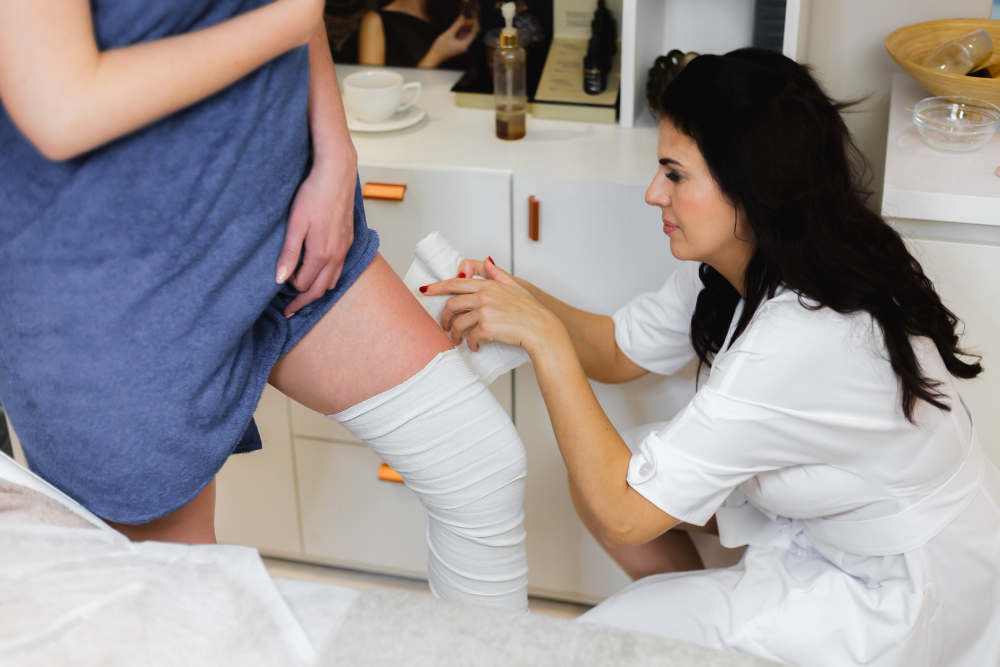
- Compression: A compression bandage will be applied to your knee to help control swelling.
- Elevation: Keep your leg elevated above your heart level as much as you can.
Pain medication will also be prescribed to help manage discomfort during this initial phase.
The First Few Weeks
Physical therapy is a crucial component of a successful recovery. You will likely start physical therapy within a few days of your surgery. A physical therapist will guide you through exercises designed to:
- Restore your knee's range of motion.
- Strengthen the muscles surrounding the knee, particularly the quadriceps and hamstrings.
- Reduce swelling and pain.
Following your physical therapy plan diligently is essential for regaining full function and preventing future injuries.
Returning to Normal Activities
Your return to daily activities, work, and sports will be gradual.
- Driving: You can typically resume driving once you are off pain medication and have regained sufficient control of your leg, which could be anywhere from one to four weeks.
- Work: If you have a desk job, you might be able to return to work within a week or two. For more physically demanding jobs, it could take several weeks or even months.
- Sports: Returning to sports requires the most time and patience. Depending on the surgery, it can take anywhere from a few months to a year to get back to high-impact activities. Your surgeon will give you specific guidelines based on your progress.
Is Arthroscopic Surgery Right for You?
Arthroscopic knee surgery can be an excellent treatment for many knee problems, but it's not the solution for everyone. The decision to proceed with surgery should be made in close consultation with a qualified orthopedic surgeon.
Your doctor will conduct a thorough evaluation, which may include a physical examination, X-rays, and an MRI, to diagnose your condition accurately. They will discuss all your treatment options, both surgical and non-surgical, and help you weigh the potential benefits and risks.
Factors that influence this decision include the specific injury, your age, your activity level, and your overall health. For some, physical therapy and lifestyle modifications may be enough to manage their symptoms. For others, surgery offers the best chance for a full and lasting recovery.
Your Next Steps to a Pain-Free Knee
Living with knee pain can be a major obstacle, but you don't have to face it alone. Understanding procedures like arthroscopic knee surgery empowers you to take an active role in your treatment and recovery. With its numerous benefits and proven track record, this minimally invasive technique has helped countless people get back on their feet and return to the activities they love.
If you believe you might be a candidate for this procedure or are searching for an experienced orthopedic surgeon in Debary, FL, the team at Central Florida Bone & Joint Institute is here to help. Contact us today to schedule a consultation and learn more about how we can help you find lasting relief from knee pain.